



A bicycle accident lawyer is a personal injury lawyer experienced in representing people injured in bicycle versus vehicle collisions. Bicycle claims turn on two things that are easy to get wrong: establishing fault and proving the full extent of what the injury has cost you. Damages are not limited to your immediate injuries — they can include medical expenses, loss of income, pain and suffering, and more.
Hire locally. Traffic bylaws governing bicycle use vary by municipality, and by the type of path or roadway within a municipality. An experienced Alberta bicycle accident lawyer will know:
Learn how I use personal injury experts to build strong injury cases for my clients.
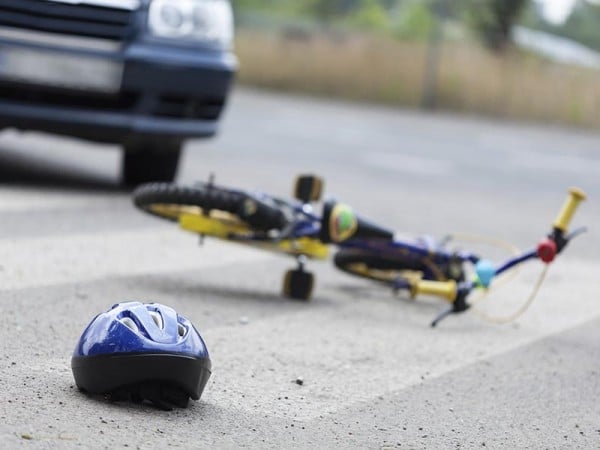
The law starts from a position that favours the cyclist. A bicycle is not a motor vehicle under the Traffic Safety Act. Section 186 applies: where a cyclist is injured by a motor vehicle in motion, the driver carries the burden of proving that the loss did not arise through their negligence. The cyclist does not have to prove carelessness — the driver has to disprove it. The provision does not apply on private property or in parking lots. It matters where fault has to be proved — that is, in a claim against the at-fault driver, for accidents before January 1, 2027. After that date, Alberta moves to no-fault insurance.
In Alberta, the Alberta Traffic Safety Act and municipal bylaws govern the operation of bicycles on our roadways. The laws are very specific but can vary depending on the municipality.
The Alberta Use of Highway and Rules of the Road Regulation has specific rules which apply to the operation of a bicycle or “cycle”.
Of course, the drivers of cars and trucks also have specific rules they must follow when operating their vehicles.
If you have been injured in a bicycle versus motor vehicle accident, look for a qualified injury lawyers who knows the local laws and knows how to investigate and prove liability for the accident.
I am very familiar with Alberta and municipal laws. If needed, I use my team of personal injury experts to investigate and prove liability in bicycle accidents. Each of these experts has been qualified by the Alberta Court of King’s Bench to testify in their area of expertise. If you have been injured in a motor vehicle vs. bicycle accident, I can help prove fault for the collision. Call (780) 760-4878 (HURT) or contact me, Joseph A. Nagy, Edmonton personal injury lawyer.
Riding outside the bike lane or without a helmet can reduce a claim without defeating it. Cyclists have obligations too: riding as near as practicable to the right edge of the road in most circumstances, riding single file except when passing, and obeying traffic control devices. Section 111 of Alberta’s Traffic Safety Act requires a helmet for riders under 18, its regulations require one for everyone on an e-bike. Some municipalities may add requirements. Falling short on any of these legal requirements may mean that the cyclist is found to be partly responsible, with damages reduced by that share. An insurer can still argue that an adult’s head injury would have been less severe with a helmet. The driver’s burden under section 186 of the Traffic Safety Act still applies. This description applies to a claim against the at-fault driver, for accidents before January 1, 2027, when Alberta’s law changes to no-fault insurance.
The vast majority of bicycle accidents are the result of human error on the part of the cyclist or the vehicle operator. Poor road conditions are also a major cause of bicycle accidents.
Common types of human error in bicycle versus motor vehicle accidents include:
In Canada, motor vehicles are involved in more than 50% of all bicycle accident fatalities.
In Alberta, the most common types of injuries from bicycle accidents are:
Other serious injuries may include:
Yes. An injured cyclist claims against the at-fault driver’s insurance. Accident benefits are available through the involved vehicle’s policy whether or not the cyclist owns a vehicle or carries insurance of their own. If the driver was never identified or had no insurance, the Motor Vehicle Accident Claims Program may apply — with written notice to the Administrator within 90 days. The claim against the at-fault driver is available for accidents before January 1, 2027. The benefits route through the involved vehicle’s policy continues under Care-First from that date.
It depends on the date of the accident. Accidents before January 1, 2027 fall under Alberta’s current system, which preserves an injured cyclist’s right to pursue a claim against the at-fault driver. Time limits still apply, so it is important not to wait. For accidents on or after that date, Alberta’s Care-First system almost entirely removes that right and replaces it with benefits from your own insurer. Cyclists remain covered: benefits are accessed through the insurance policy of the vehicle involved, regardless of whether the cyclist owns a vehicle.